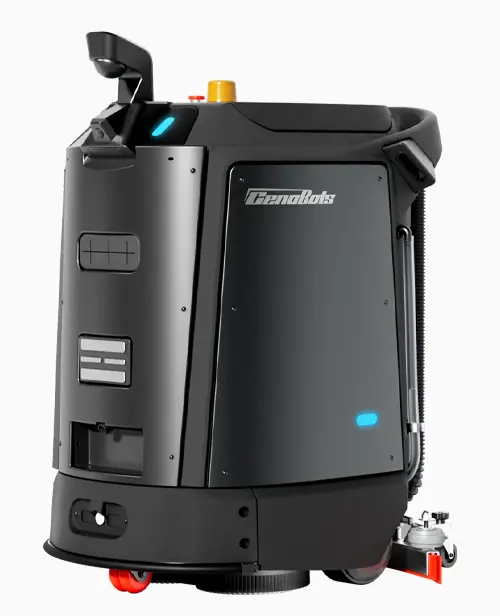
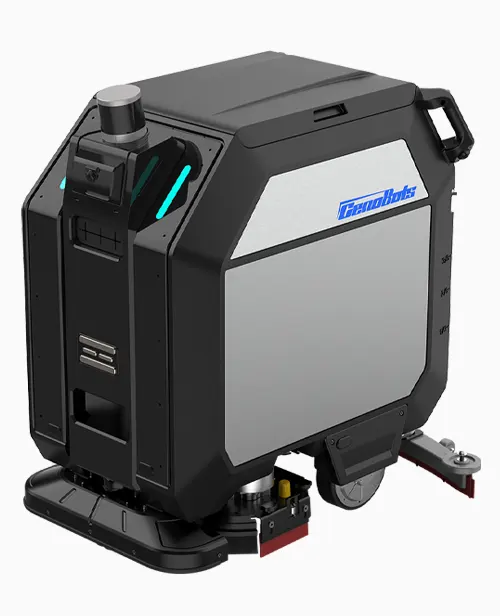
.How CenoBots L3 works where large robots can't? CenoBots L3 is a compact autonomous robot for washing and drying hard floors, designed for small and medium-sized spaces where passageways, corridors and areas between equipment are limited. With a passage width of 700 mm, a working width of 400 mm and AI navigation, it can operate…
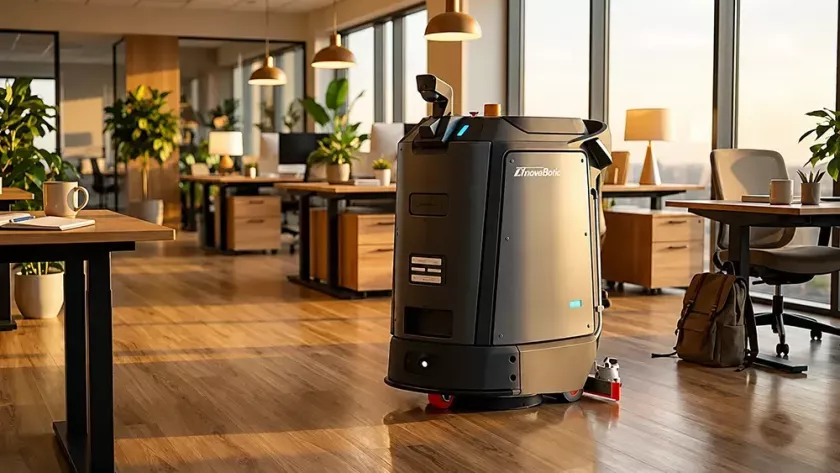
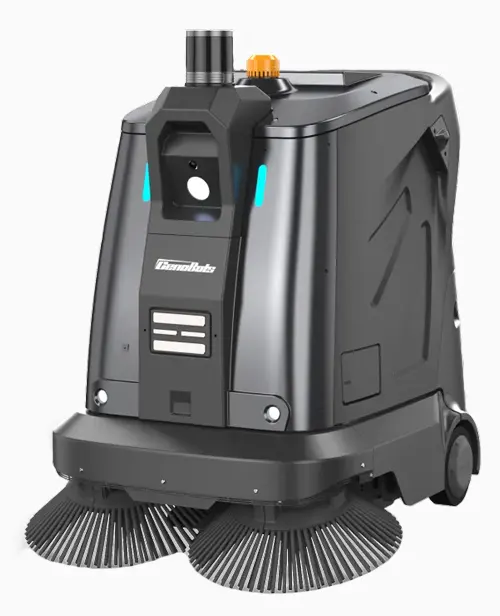
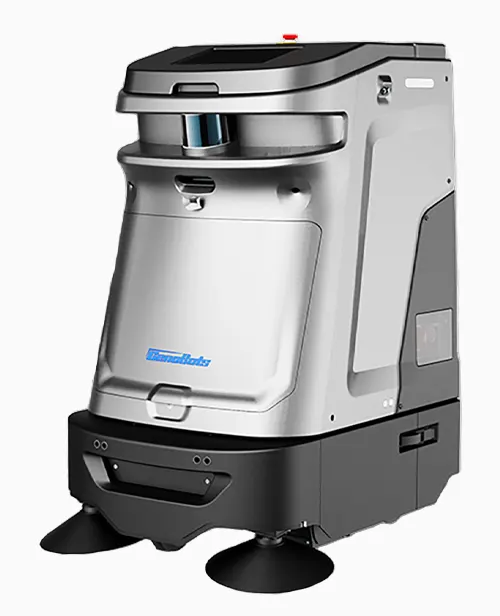
How does a sweeping robot clean large areas? CenoBots S5 is an autonomous robot designed for dry sweeping of large commercial and industrial areas. With a sweeping width of 820 mm, a 50-litre waste container, and a maximum theoretical cleaning capacity of around 2,500 m²/h, it removes dust and loose debris in facilities such as…
Where are CenoBots robots used? CenoBots robots are used in
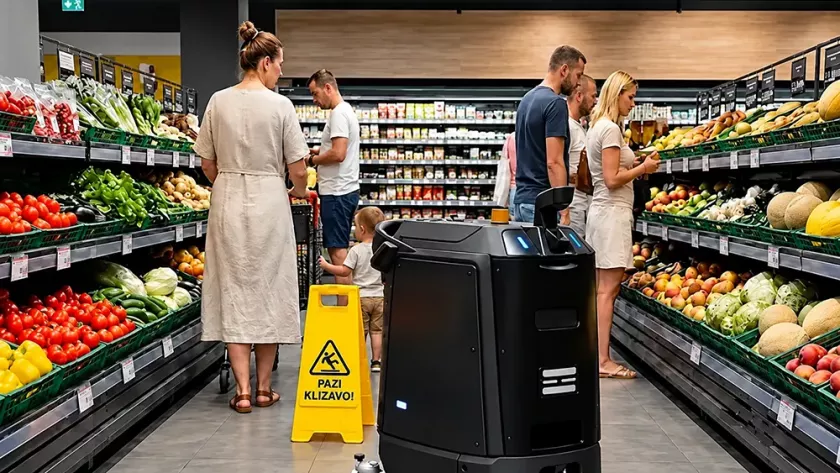
stores,
shopping malls
hotels
hospitals
schools
offices
factories
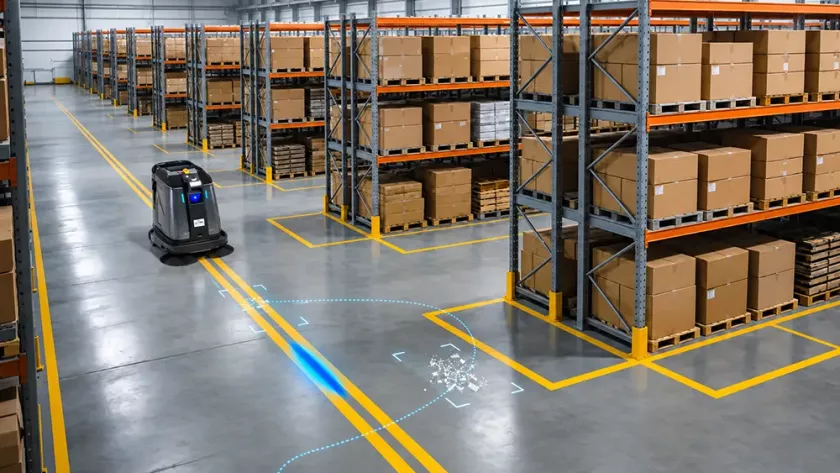
warehouses
transport facilities
and parking garages.
The choice of model depends on the type of flooring, aisle width, amount and type of waste, and whether the facility requires…
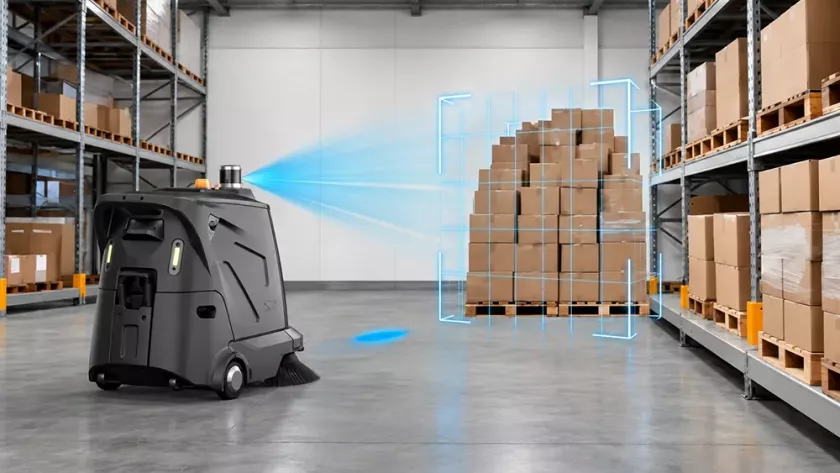
How does an autonomous cleaning robot work? An autonomous cleaning robot combines four interconnected systems:
sensors
artificial intelligence
movement
and a cleaning mechanism
Together, they enable it to map the space, determine its position, identify obstacles, plan a route, and scrub, sweep, or vacuum without constant operator control, while the complete guide…
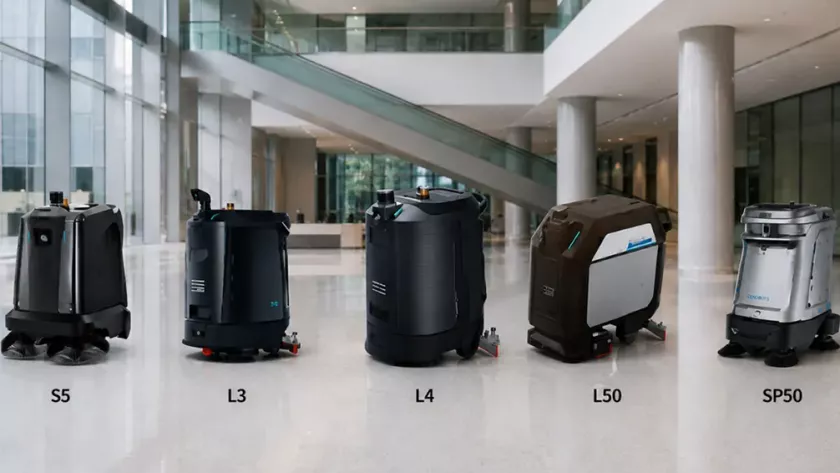
CenoBots cleaning robot models differ in terms of:
cleaning method
working width
capacity
productivity
the conditions they are designed to operate in
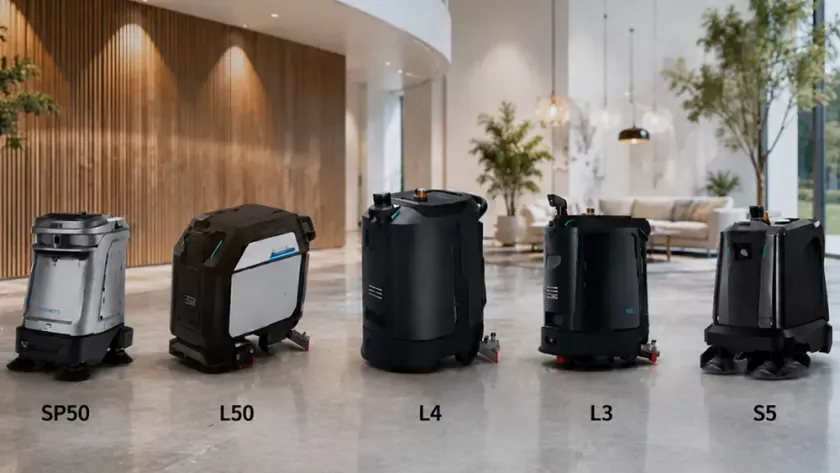
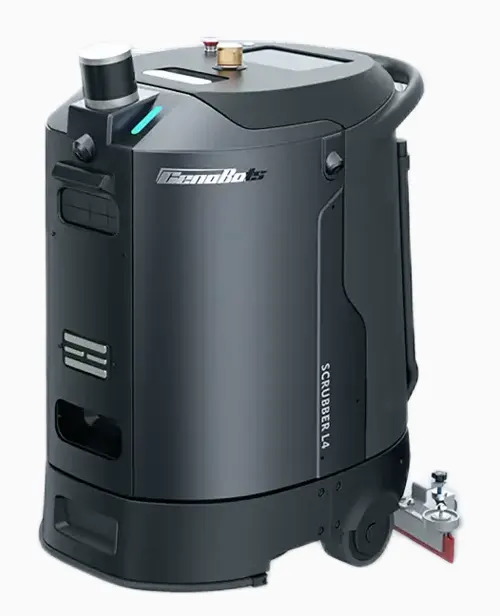
L3, L4, and L50 scrub and dry hard floors, S5 autonomously sweeps and collects dry debris, while SP50 vacuums and uses AI Spot Cleaning for targeted cleaning.
The CenoBots range…
CenoBots AI cleaning robots include five models designed for different tasks:
L3, L4 and L50 wash and dry hard floors
S5 collects dry waste
SP50 vacuums and uses AI Spot Cleaning to remove dirt from targeted areas
The right model therefore depends on the facility, floor, type of dirt and operating requirements.
No single…